

Greeting of Director-General
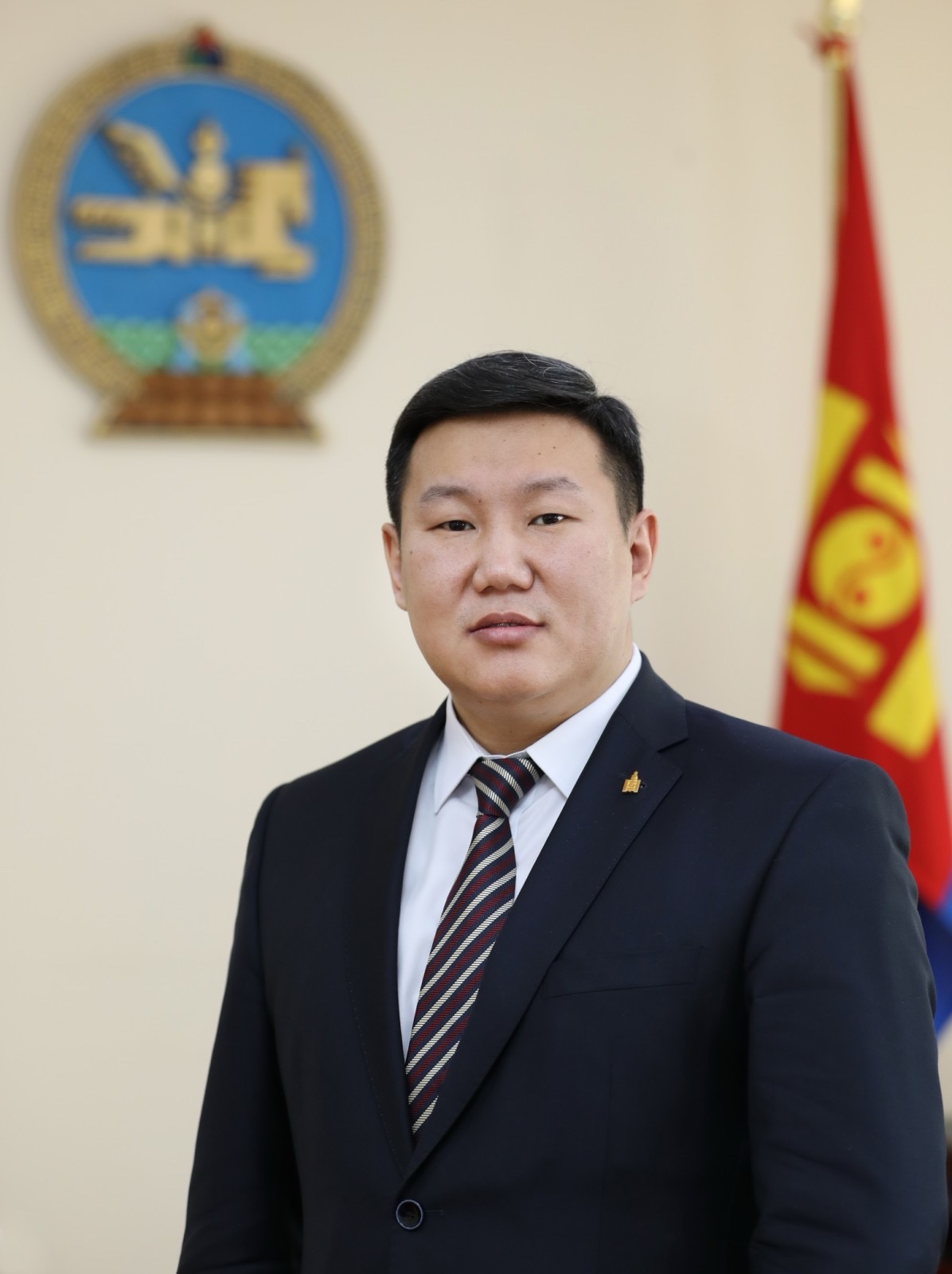
Distinguished guests,
I extend my warm greetings to you.
Mongolia’s unique characteristics—its vast territory and harsh continental climate—have a direct influence on all sectors of our society and economy, particularly on livestock husbandry. Therefore, fully utilizing favorable climatic and water resource conditions for economic development, while at the same time preventing and mitigating potential natural hazards, disasters, and serious environmental pollution, is essential to reducing social and economic risks and supporting the country’s sustainable development. This remains our fundamental mission.
In pursuit of this goal, the National Agency for Meteorology and Environmental Monitoring (NAMEM) has consistently prioritized the generation and delivery of scientifically sound, reliable information and forecasts, ensuring they are provided to users in a timely, clear, and accessible manner. To this end, we continuously introduce new technologies into our operations and place strong emphasis on improving data quality, accuracy, and reliability.
In 2025, we achieved significant progress by deploying next-generation supercomputing technology, installing automatic air quality monitoring stations in all 21 provincial centers, and setting up automated hydrological measurement equipment on 17 major rivers across Mongolia. In addition, through the dedicated efforts of our skilled meteorologists and technical staff, we successfully introduced the OWL system for automated nighttime observations, the D-Lab software for digital environmental laboratory services, and an integrated information and service platform at www.weather.gov.mn. These advancements have substantially improved the accuracy of short-, medium-, and long-term forecasts, as well as the speed at which information reaches users.
Early warnings for hazardous weather phenomena are now delivered through the government’s unified digital service system, E-Mongolia. At the same time, we have digitized the processes for obtaining weather certifications and observational data, enabling users to access information based on their selected parameters, timeframes, and conditions.
As a result of upgrades to our high-performance computing capacity, urban weather forecasts—previously issued at 12-hour intervals for three days—are now provided at three-hour intervals, significantly enhancing forecast resolution and usefulness.
Within the framework of the Government of Mongolia’s Action Program for 2024–2028, specifically Objective 3.4.3.1, “The Standardized Environmental Sector,” we have initiated a technical-level review and updating process for 368 standards in the fields of meteorology, hydrology, and environmental monitoring.
For more than a century, meteorological information has been communicated in numerical formats. In addition to these traditional methods, we have integrated core weather data with satellite imagery, enabling the public to view real-time information in their native language through interactive maps. Users can now overlay parameters such as weather phenomena, temperature, pressure, wind speed and direction with data on cloud cover, floods, hazardous events, and drought conditions for locations of their choice.
Through cooperation with the World Meteorological Organization and the China Meteorological Administration, our Agency has received artificial intelligence–based server and software bundle essential for the early detection of multiple natural hazards, which are now actively used in our operations.
In recent years, climate change has led to an increase in the frequency and intensity of natural disasters such as droughts, dzud, forest and steppe fires, and floods. This has further elevated the importance and responsibility of our institution. Accordingly, we are committed to continuously strengthening meteorological and environmental monitoring and carrying out our duties with the highest level of responsibility and professionalism.
The year 2026 has been designated across the sector as the Year of Occupational Safety and Technological Modernization. During this year, we are establishing three Doppler radar stations, two upper-atmosphere observation centers, three automatic air quality stations, five hydrological stations, and five meteorological stations, while also renovating more than 20 observation and monitoring facilities.
In 2026, we also aim to double the number of meteorological stations transmitting data internationally; develop nationwide flood hazard maps for spring meltwater; analyze heavy metals in soil using at least 30 indicators; introduce impact-based five-day forecasts for strong winds and snowstorms into operational services; monitor and publicly disclose air quality in provincial centers on a 24-hour basis; and eliminate the use of mercury in environmental laboratory analyses.
Through this website, we will continue to provide transparent and accessible information on our core policies, activities, and past, present, and future developments in meteorology, hydrology, and environmental monitoring. We are confident that our information and services will deliver tangible value to your daily life and business activities.
Respectfully,
E. Battulga
Director-General of National Agency for Meteorology and Environmental Monitoring
Permanent Representative of Mongolia with WMO