
AN AUTOMATED AIR QUALITY MONITORING SYSTEM HAS BEEN ESTABLISHED IN ULAANBAATAR AND THE CENTERS OF ALL 21 PROVINCES
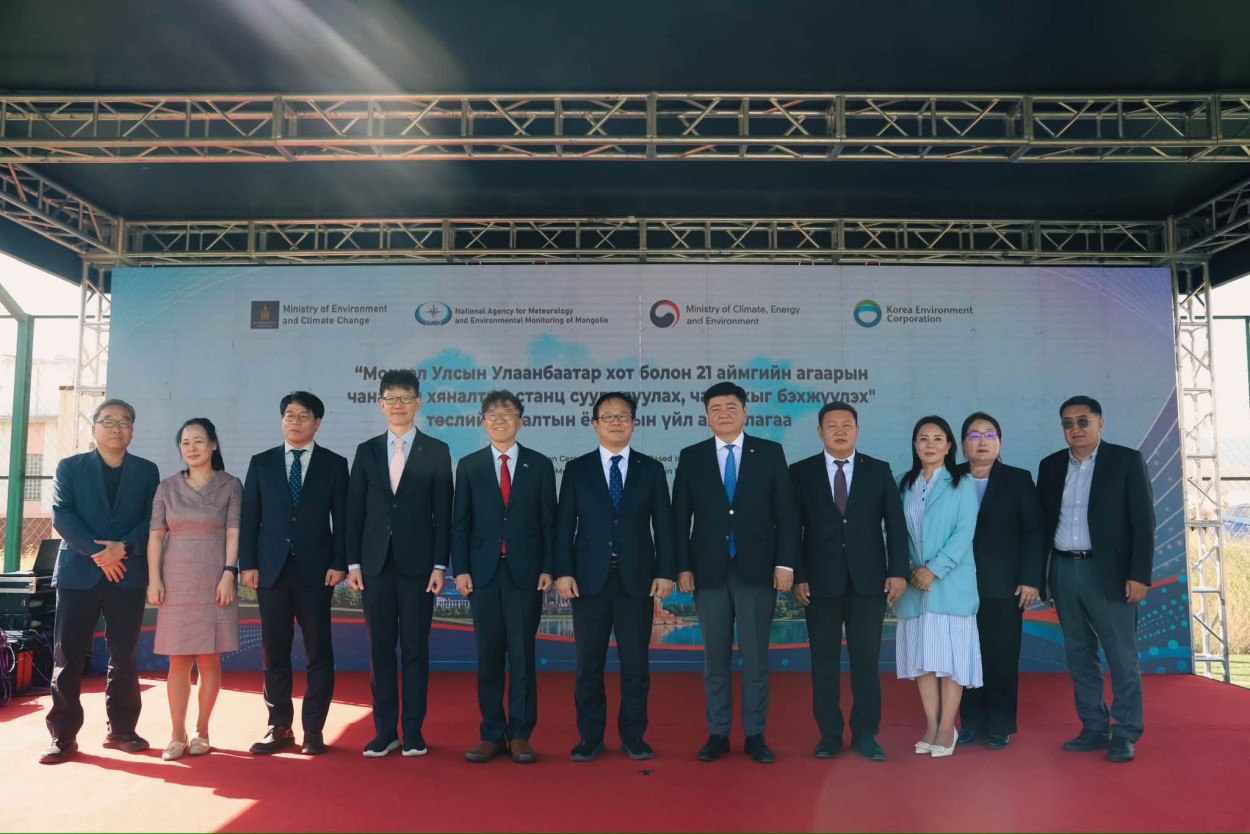
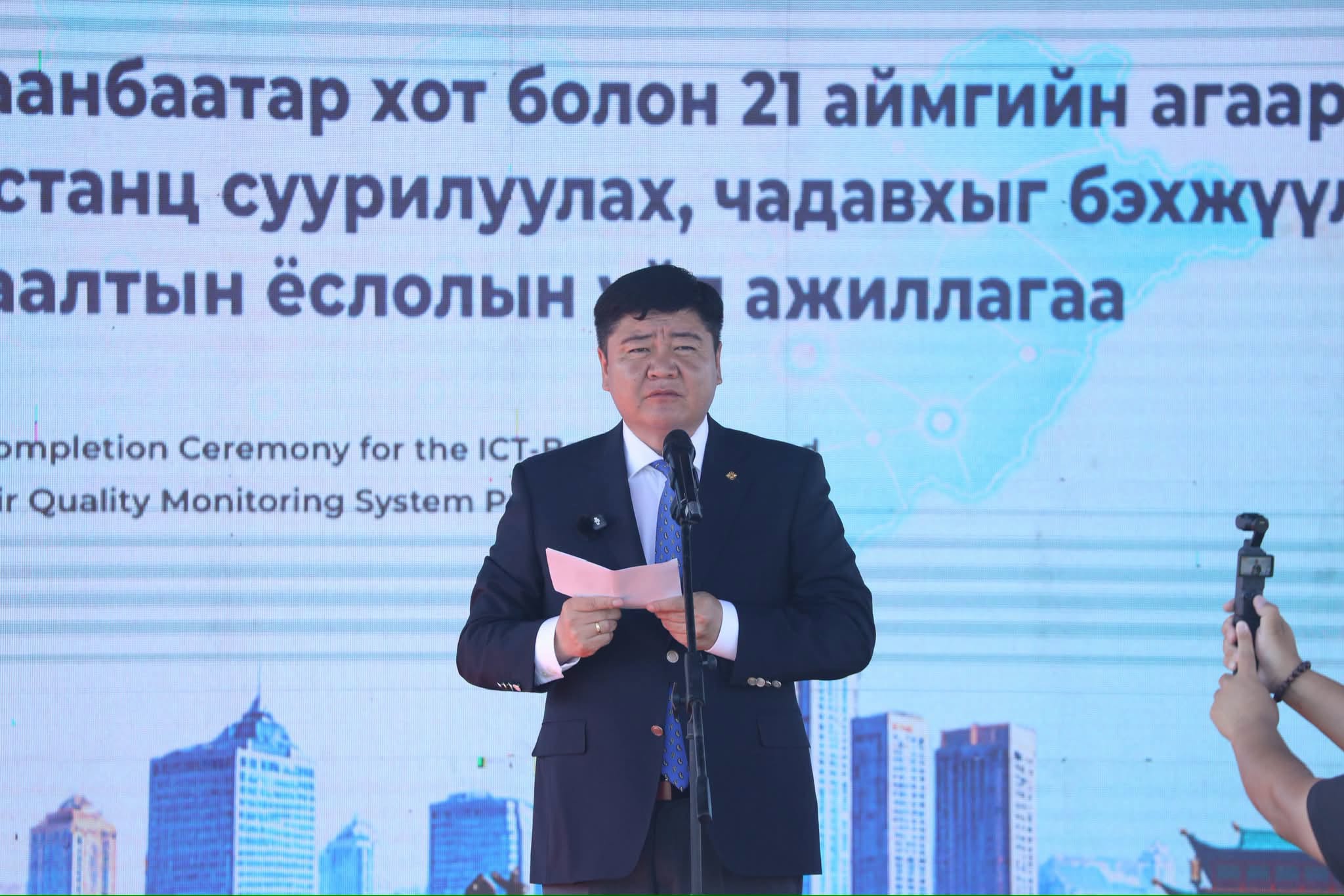
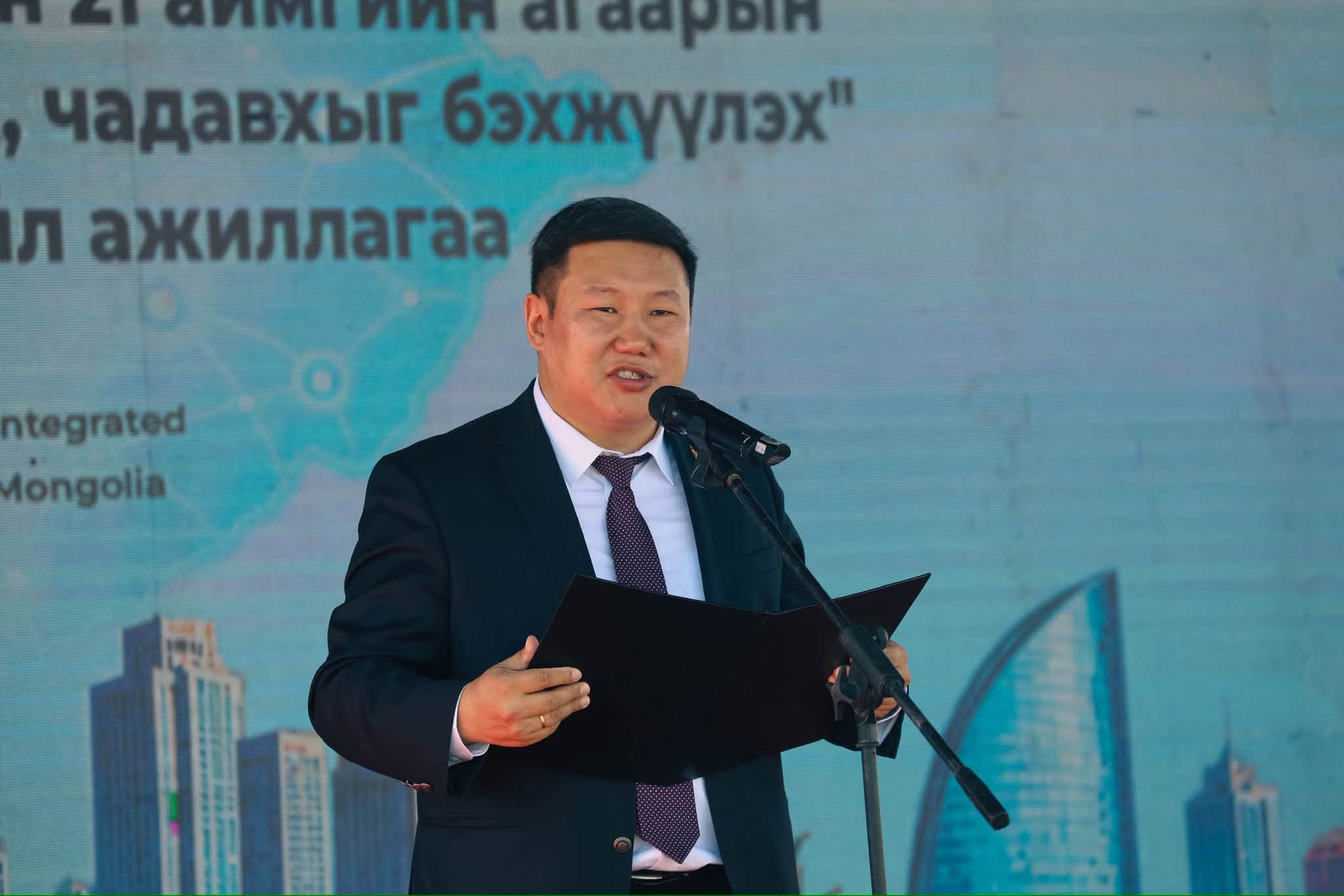
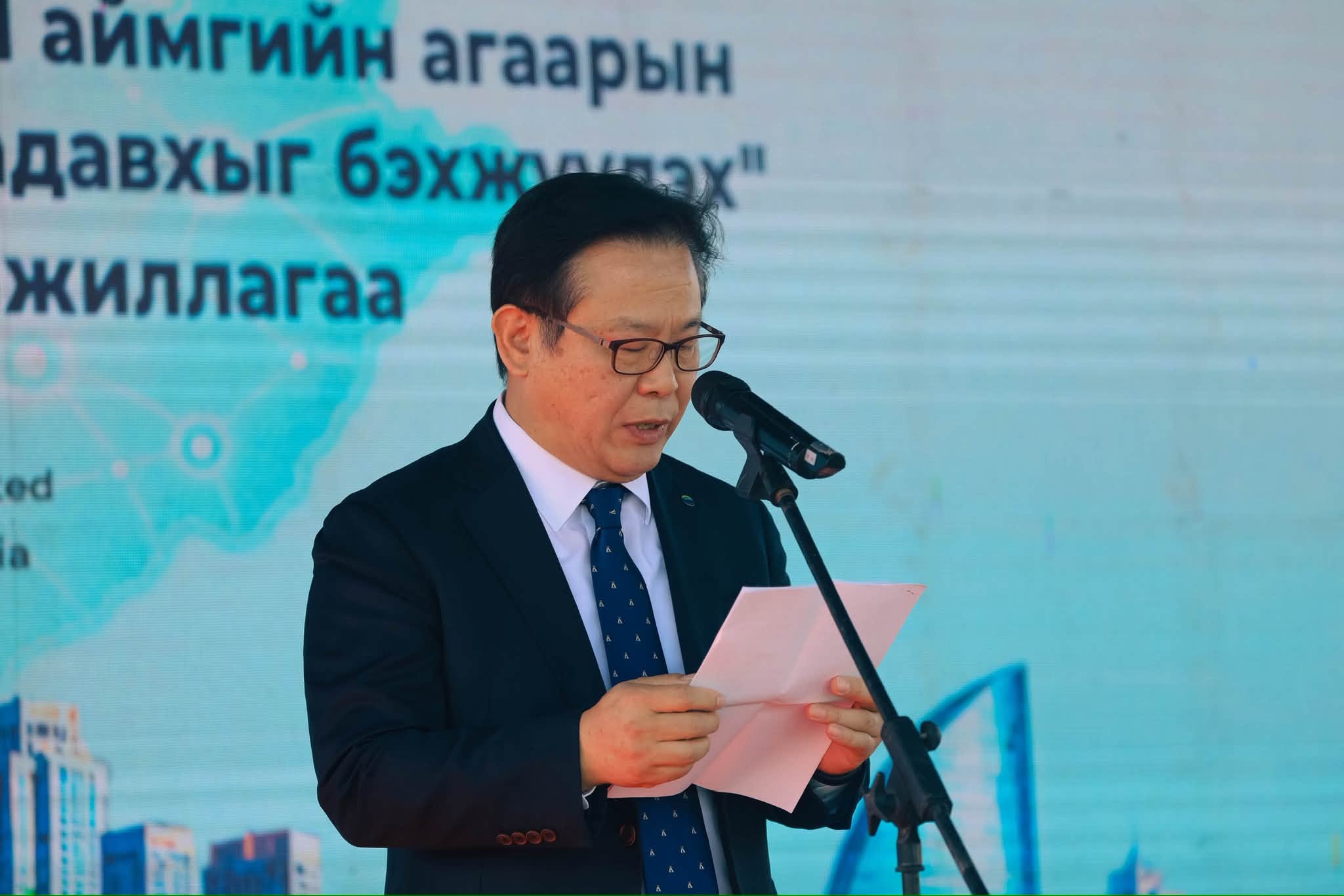
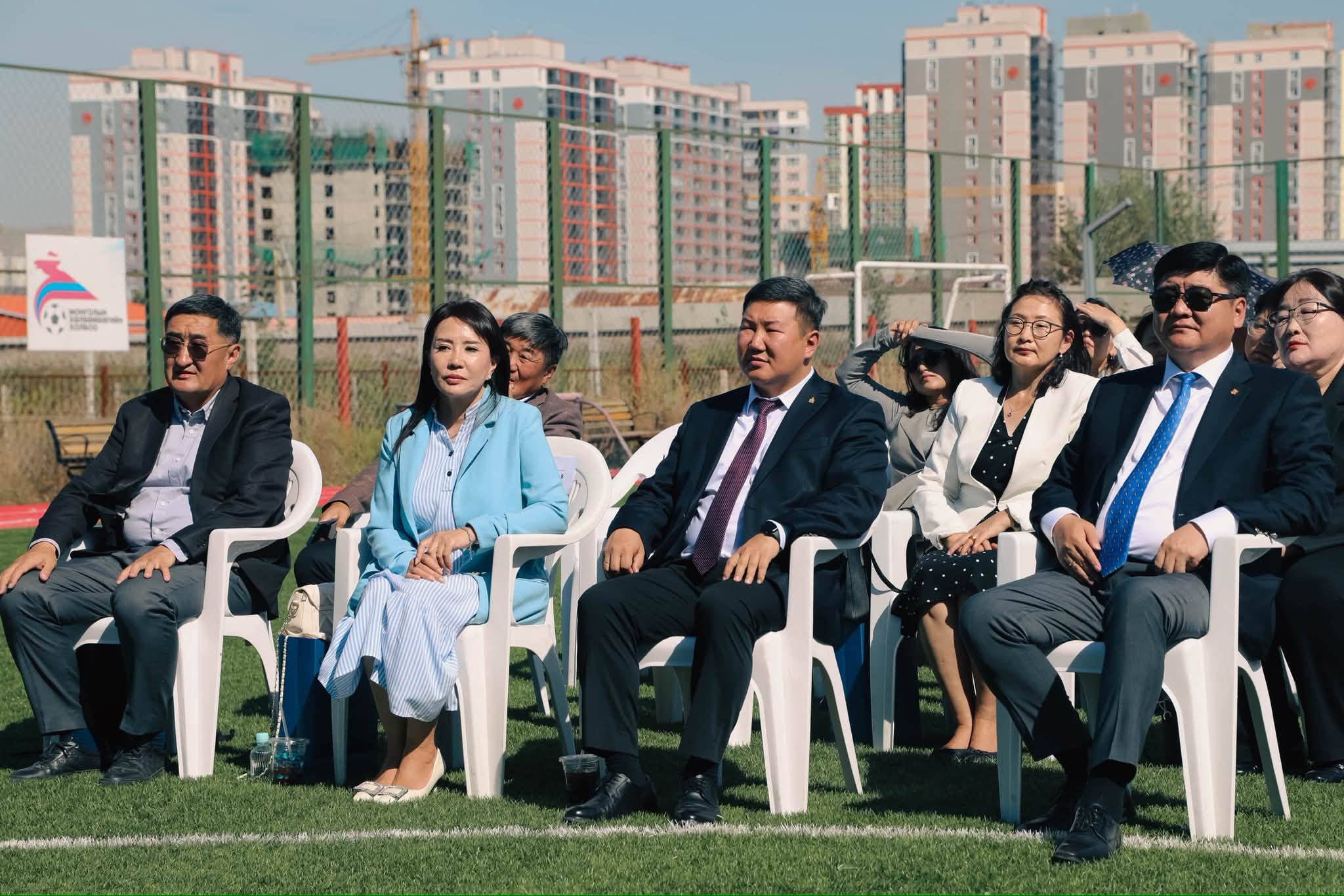
The closing ceremony of the project on the “Installation of Automated Air Quality Monitoring Stations in Ulaanbaatar and the Centers of All 21 Provinces” was held today.
Implemented jointly by the Ministry of Environment and Climate Change of Mongolia, the Ministry of Environment of the Republic of Korea, and the Korea Environment Corporation (K-eco), the project was carried out from 2023 to 2026 with a total grant financing of USD 8.9 million.
As part of the project, automated air quality monitoring stations have been fully installed in Ulaanbaatar and the administrative centers of all 21 provinces.
This has established the capacity to continuously monitor sulfur dioxide (SO₂), nitrogen oxides (NOₓ), particulate matter (PM2.5 and PM10), ozone (O₃), carbon monoxide (CO), and meteorological parameters.
The monitoring data are now available to the public in real time through the agaar.gov.mn platform. agaar.gov.mn
In his opening remarks at the project closing ceremony, Minister of Environment and Climate Change Ts. Sandag-Ochir expressed his appreciation to the Government of the Republic of Korea, the Ministry of Environment of the Republic of Korea, the Korea Environment Corporation, and the project team for their cooperation and support.
He emphasized that air pollution is not only an environmental issue, but also one that directly affects public health and quality of life. Therefore, he underscored that accurate and reliable monitoring data provide an essential basis for developing sound and effective policies.
He also noted that while Mongolia had previously focused primarily on analyzing weather conditions, the project has now created an opportunity for the public to access air quality forecasts, enabling people to receive timely information on air pollution conditions.
This will make an important contribution to ensuring citizens’ right to live in a healthy and safe environment, protecting the environment, reducing air pollution, and improving the effectiveness of Mongolia’s policies aimed at addressing air pollution as a national priority.
Meanwhile, E. Battulga, Director of the National Agency for Meteorology and Environmental Monitoring (NAMEM), noted that under the project, a mobile laboratory for measuring air quality parameters had been handed over to the Central Laboratory of Environment and Metrology.
He also highlighted the development of the MAMIS software, which enables the processing of monitoring data, assessment of results, and preparation of reports.
In addition, he noted that approximately 240 officials from Mongolia and the Republic of Korea participated in classroom-based and online training programs aimed at strengthening human resource capacity.
In her remarks, Yoon Young-hee, Director responsible for climate and environmental affairs at the Ministry of Environment of the Republic of Korea, emphasized that the project has established the fundamental infrastructure necessary for continuous air quality monitoring in Mongolia.
She noted that the system will expand the capacity to assess air quality based on real-time data and provide timely information to the public. She further emphasized that accurate and reliable data are essential for developing effective government policies to reduce air pollution.
Through the successful completion of the project, Mongolia has established a foundational system for continuously monitoring and processing air quality data through an integrated system and delivering timely information to the public.